The Truth About Diesel Emissions and Efficiency: Why Longevity is the Ultimate Green Metric
In the world of Ford Powerstroke repair, we often find ourselves caught between two worlds: strict regulatory compliance and the cold, hard reality of mechanical engineering. At PowerStroke Pros here in Tampa, we see the "guts" of these 6.7L engines every day.
While the conversation around emissions deletes is often framed as a battle against the environment, a deeper look at the data suggests a different story. If we look at the total lifecycle of a vehicle, there is a powerful professional argument that an optimized, "breathable" truck is not just better for the owner—it’s the most logical path toward true sustainability.
1. Longevity is the Ultimate "Green" Metric
The greenest truck on the road is the one that is already built. Manufacturing a new 6.7L engine requires massive amounts of energy and the mining of precious metals like platinum, palladium, and rhodium for the DPF and DOC systems.
By optimizing a Powerstroke for longevity, we keep trucks on the road for 500,000+ miles. From a technician’s perspective, preventing a "total loss" engine failure means one less truck that needs to be manufactured, shipped, and sold. Keeping one vehicle in peak condition for 20 years is significantly more sustainable than cycling through three trucks because the engines were choked by their own exhaust.
2. The Carbon Footprint of Efficiency
The math is simple: efficiency equals less waste. An optimized 6.7L typically sees a 10% to 15% increase in fuel economy.
When you burn less fuel, you release less CO_2. Over the life of a Ford work truck, that adds up to thousands of gallons of diesel that never had to be refined, transported, or burned. While the composition of the exhaust changes, the total volume of fuel consumed drops, which is a massive win for the truck’s overall carbon footprint.
3. Eliminating the "Hidden" Waste: DEF and Plastics
We rarely talk about the environmental impact of Diesel Exhaust Fluid (DEF).
• Industrial Production: DEF is produced via a high-intensity chemical process using natural gas.
• Plastic Waste: Millions of single-use plastic DEF jugs end up in Florida landfills every year.
• Parasitic Weight: Carrying 5–10 gallons of extra fluid adds weight, which—ironically—forces the engine to work harder and burn more fuel.
4. Professional Teardowns: Why the Internals Don't Lie
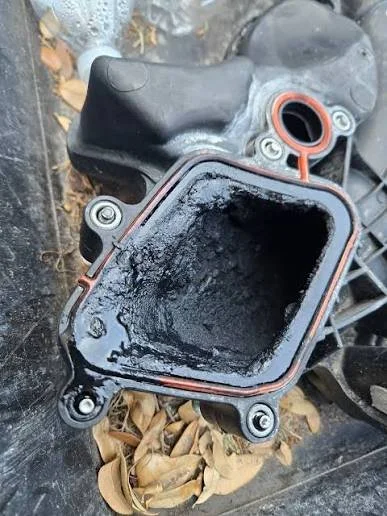
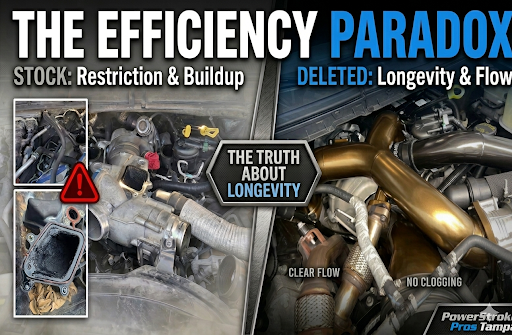
From a professional standpoint, the internal components of a deleted motor simply look better. When we pull an intake manifold on a stock truck with 100k miles, we see a thick "sludge" of oily soot from the EGR system.
• Cleaner Oil: Without the "post-injection" cycles used for DPF cleaning, we don't see the fuel dilution that thins out oil and kills bearings.
• Thermal Health: Removing exhaust restrictions lowers Exhaust Gas Temperatures (EGTs), protecting the turbo, head gaskets, and valves from the heat-related fatigue that kills most modern diesels.
The Bottom Line
Real-world engineering tells us that high heat, recirculated soot, and restricted exhaust are the enemies of longevity. When an engine runs at peak efficiency, it lasts longer, consumes less, and stays out of the scrapyard.
At PowerStroke Pros, we believe in building trucks that represent hard work and blue-collar pride. Whether we’re performing a DCR conversion or a full system decontamination, our goal is to provide a truck that functions as it was intended: as a high-efficiency tool built to last a lifetime.
Looking to get the most out of your 6.7L? Visit us at our Tampa shop, and let's talk about how to make your Powerstroke run the way it was engineered to.